
Ice Scream 5 Friends: Mike
Keplerians Horror GamesAdventure
4.1879.00 Reviews
- Version
- 1.3.3
- Installs
- 10.00M
- Age Rating
- Teen
Screenshots
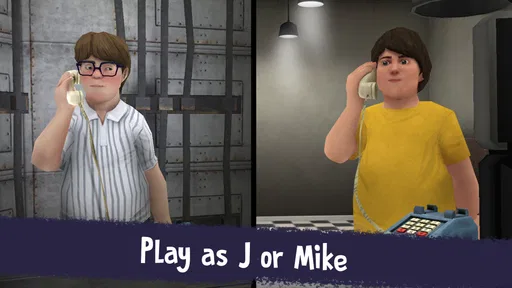
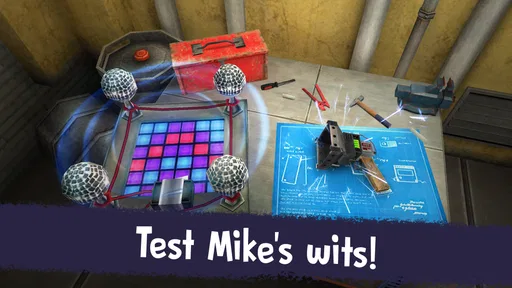
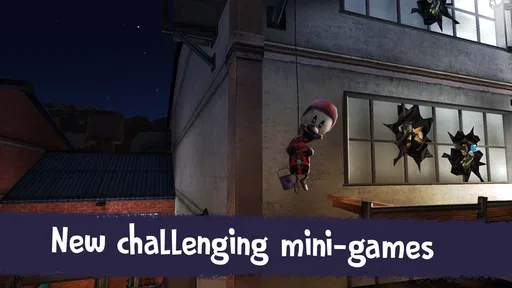
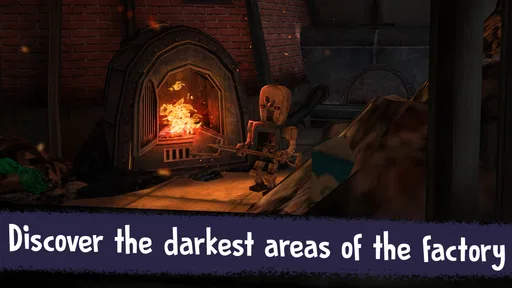
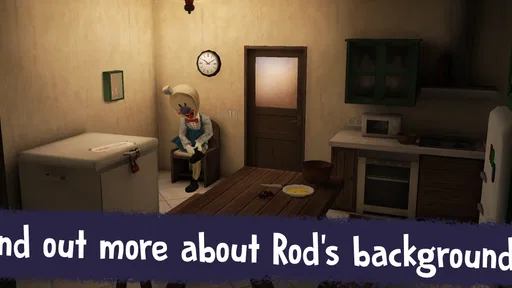
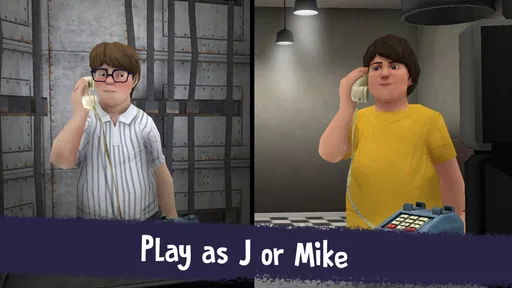
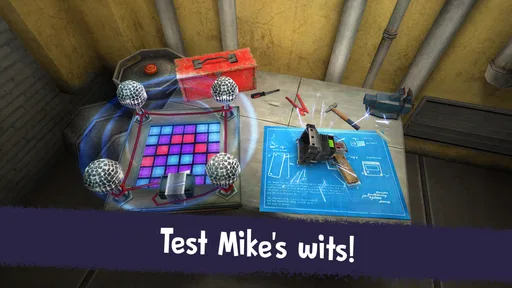
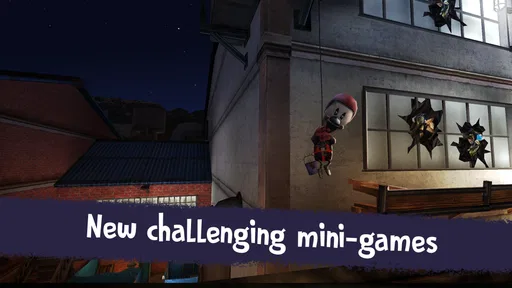
Our Review of Ice Scream 5 Friends: Mike
 Analysis by Appyee
Ice Scream 5 Friends: Mike is the kind of mobile adventure game I open when I want a tense challenge that can be played in short, focused sessions. It puts Mike inside the engine room as part of the escape effort, but the appeal is not simply reaching the next area. The real attraction is learning the environment, watching danger patterns, solving problems under pressure, and gradually becoming more efficient each time I replay a section.
Developed by Keplerians Horror Games, this free game sits firmly in the horror-adventure corner rather than offering a relaxed exploration experience. I would describe it as a pursuit-and-puzzle game with a strong emphasis on caution. The Teen content rating is important because the atmosphere relies on frightening encounters and suspense, even though the presentation is more stylized than brutally graphic. If you enjoy horror games where observation matters as much as quick reactions, this entry is easy to understand and surprisingly demanding once you stop treating it like a simple chase.
How I play through the engine room
I focus on the engine room as a space to read before I try to conquer it: noticing which routes feel usable, where I can turn back, and what I still need to learn. That approach makes each attempt more deliberate, especially when I separate exploring from trying to make clean progress. It also sets up a closer look at how Mike’s section rewards preparation over speed.
The first sessions are about building a mental map
My first mistake was moving too quickly. The engine room feels much easier once I stop trying to solve everything immediately and instead learn how its spaces connect. I pay attention to doors, corners, objects that look useful, and routes that give me room to change direction. That habit is more valuable than memorizing a single solution because it helps when I return after being caught or when I approach a task from a different angle.
The baseline workflow I recommend is simple: explore carefully, identify the next practical objective, test the safest route, and only then commit to moving an important item or entering a risky area. I keep my movement deliberate near places where an enemy could appear. Running everywhere may feel faster, but it usually leaves me with less time to notice what changed around me.
There is also a useful rhythm to the game. I spend the quiet moments checking nearby possibilities, then use a short burst of movement when I know where I am going. This creates a balance between investigation and escape. Players who approach every room as if it were a race will probably find the game frustrating, while players who enjoy learning through repeated attempts will get much more from it.
What makes Mike’s section different in practice
Mike’s role gives the chapter a clear sense of purpose: I am not wandering through a horror setting without direction. I am trying to make progress through the factory while dealing with the pressure of being discovered. That combination makes ordinary movement meaningful. A doorway is not just scenery; it can be a temporary refuge, a route toward the next task, or a bad choice if I have not considered how I will leave.
I found that the strongest moments come from small decisions rather than dramatic action. Should I investigate a nearby object now or use the open route while it is safe? Is it better to take a longer path that I understand or a shorter path that leaves me exposed? These choices give the adventure its tension without needing a complicated control scheme.
Settings and habits worth checking before a serious attempt
Before settling into the game, I check the available control and audio options rather than accepting my first setup automatically. Horror depends heavily on awareness, and sound can make a meaningful difference when I am trying to judge whether it is safe to continue. I prefer playing with headphones when possible, but I also keep the volume at a comfortable level because constant loudness can make the experience tiring instead of suspenseful.
I also spend a few minutes getting comfortable with the movement layout. Small control errors matter more during a chase than they do while exploring. If the controls feel awkward, I practice turning, stopping, and changing direction in a safer area before attempting a difficult sequence. That short preparation is one of the simplest ways to reduce avoidable failures.
Performance is another practical consideration. On an older device, I would close unnecessary background apps and avoid playing while the phone is already hot. Horror games depend on timing, so stutters or delayed input can feel especially unfair. The minimum operating system is Android 7.0, but compatibility alone does not guarantee that every device will feel equally smooth. I judge the game by how consistently my own phone responds, not just by whether it installs.
Because the game is free, it is easy to try without committing money first. Optional purchases range from $2.49 to $2.99 per item, so I would begin with the free experience and decide later whether anything offered is genuinely useful to my style. I do not think spending should be part of the basic strategy. Careful routing and patience are more important than treating purchases as a shortcut through every difficult moment.
Repeatable patterns that make progress faster
Experienced play is less about moving quickly and more about reducing wasted movement. When I enter a new area, I first identify a safe reference point. From there, I can make short trips to inspect objects or test routes without becoming completely disoriented. This is especially useful after an interruption because I can rebuild my position instead of starting each attempt with panic.
I also avoid carrying out a risky action simply because I can. If I have learned that an area is dangerous, I wait until I have a clear reason to enter it. This sounds obvious, but it prevents a common cycle: exploring without a plan, attracting attention, losing progress, and repeating the same unproductive route. A good attempt is one where every dangerous movement has a purpose.
Another helpful pattern is separating learning attempts from completion attempts. On a learning run, I deliberately observe routes and discover what triggers trouble. I accept that the attempt may fail. On a completion run, I use that knowledge and avoid unnecessary experiments. Mixing those two mindsets often causes frustration because I expect a perfect result while still making exploratory decisions.
When I am being pursued, I think in terms of options rather than distance. The closest doorway is not always the best escape if it leads to a dead end. I look for paths that let me turn, hide from direct sight, or continue toward a known objective. This makes the chase feel more like a puzzle than a reflex test, and it is one of the clearest ways the game rewards familiarity with its layout.
Small details that improve difficult attempts
I recommend keeping a mental note of tasks that can be completed in a particular order. Even without writing down a full walkthrough, remembering which areas are safe to revisit can save a great deal of time. I also try to finish nearby objectives in one trip when the route is predictable, but I do not force this rule when it increases exposure. Efficiency is useful only when it does not create a bigger risk.
Another practical tip is to pause before interacting with something important. I look around, confirm my exit direction, and make sure I am not stepping into a situation I do not understand. That brief check is easy to skip when I am eager to progress, yet it often separates a controlled attempt from an unnecessary restart.
I would also avoid playing while distracted. This is not a game I enjoy with a video playing in the background or while answering messages. The tension comes from noticing changes in the environment and responding at the right moment. A short, attentive session is better than a longer session where I repeatedly miss clues and blame the controls.
Where the game can become limiting
The same focused design that makes the game tense can also narrow its audience. If you want a broad adventure with open exploration, deep character development, or extensive customization, this is not the right choice. Its strengths are concentrated in pursuit, atmosphere, and learning routes. Players who dislike repeating sections after failure may find the structure more tiring than rewarding.
The horror pressure can become repetitive if I play for too long in one sitting. I prefer stopping after a difficult sequence and returning later with a clearer head. That is not just a comfort tip; it improves decision-making. When I rush because I am frustrated, I make the same mistakes the game has already taught me to avoid.
There is also a trade-off between accessibility and tension. A more forgiving adventure might let me experiment freely, while this game makes mistakes feel costly. That cost gives successful progress more satisfaction, but it means the experience is not ideal for someone seeking a gentle, story-first game. For a calmer alternative within mobile adventure gaming, I would choose something built around exploration rather than pursuit. For a more action-heavy horror experience, I would look elsewhere too, since this one asks me to think about positioning and timing more than constant combat.
Who should play it and who should skip it
I think Ice Scream 5 Friends: Mike is a good fit for players who enjoy learning a hostile environment through repetition. It works particularly well for someone who likes solving problems while under pressure, or for a horror fan who wants a game that can be played in compact sessions rather than requiring a long uninterrupted campaign. The free entry point also makes it easy to test whether the chase-and-puzzle rhythm suits you.
I would skip it if you dislike being startled, become annoyed by retracing routes, or want a game that explains every objective in a direct and relaxed way. It is also not my first recommendation for very young players, despite the cartoon-like presentation, because the Teen rating reflects the suspenseful horror tone. Parents should consider whether that style is appropriate before allowing a child to play.
The game has built a substantial audience, with over ten million installs and an average rating of 4.1 from around sixty-eight thousand ratings. Those figures suggest that the formula connects with many players, but they should not replace personal judgment. The experience is specific: tense exploration, repeated attempts, and a factory setting where awareness matters. Popularity will not make that structure enjoyable for someone who wants a completely different kind of adventure.
Version, longevity, and the value of returning
The current version is 1.3.3, and I would keep the game updated through the normal app store process so I am playing the intended build for my device. I do not treat an update number as a reason to expect a different game every time. The lasting value here comes mainly from improving my own route knowledge and execution.
That makes replaying worthwhile in a particular way. I am not returning because every attempt offers a radically new world; I am returning because I can make a cleaner plan, waste less time, and handle danger with more confidence. Players who enjoy mastery through repetition will understand the appeal. Players who need constant novelty may finish their interest sooner.
One of the better ways to extend the experience is to set a personal goal for each session. I might focus on learning one route, reducing unnecessary detours, or completing a sequence without panicking. These goals keep the game from becoming a vague cycle of failure and make improvement easier to notice. They also help me decide whether I am genuinely enjoying the process or merely chasing completion out of habit.
My verdict after settling into its rhythm
Ice Scream 5 Friends: Mike works best when I treat it as a careful escape puzzle rather than a straightforward action game. The engine-room setting gives the adventure a clear direction, while the threat of discovery turns ordinary navigation into a series of meaningful choices. Its free price makes trying it easy, and the controls become more manageable once I take time to adjust my setup and practice movement before difficult encounters.
My main reservation is repetition. The game expects me to learn through mistakes, and that can feel demanding if I want immediate progress. The optional purchases are another reason I would approach it patiently: I would first see how far my own planning takes me instead of assuming that spending is necessary. For me, the strongest improvement comes from habits—mapping routes mentally, checking exits, separating learning attempts from serious runs, and refusing to rush when the environment is unclear.
My recommendation is clear: choose it if you enjoy tense, repeatable horror adventures where observation and route knowledge matter more than button mashing. If that sounds like your kind of challenge, this chapter offers a focused way to join Mike’s escape effort and gradually turn a confusing factory into a place you understand. If you prefer open exploration, a softer atmosphere, or constant action, another adventure game will likely suit you better.
For the right player, Ice Scream 5 Friends: Mike is most satisfying when progress feels earned. I may begin by reacting to danger, but the best attempts come later, when I recognize the warning signs, choose a route before moving, and stay calm enough to use what I have learned. That is the game’s real reward: not simply reaching the next point, but becoming noticeably better at surviving the path there.
Verdict
Strengths of Ice Scream 5 Friends: Mike
- Mike’s abilities add variety to puzzle-solving and exploration.
- The game offers a creepy atmosphere without relying on constant jump scares.
- Levels encourage careful observation and memorizing enemy patterns.
- Cartoon-style graphics run smoothly on many modern mobile devices.
- Collectibles and hidden areas give curious players extra reasons to explore.
Limitations of Ice Scream 5 Friends: Mike
- Some puzzles can feel unclear without experimenting with every nearby object.
- Enemy encounters may become repetitive after several attempts.
- The game includes tense chase sections that may frustrate younger players.
- Progress can slow down when a required item is easy to overlook.
- Ads or optional purchases may interrupt the experience, depending on the version.
Other Releases by Keplerians Horror Games
View All
Ice Scream 8: Final Chapter
Arcade4.6

Ice Scream 4: Rod's Factory
Adventure4.2
Similar Picks in This Category
View All
Roblox
Roblox Corporation4.2

Pokémon GO
Niantic, Inc.3.5

Ninja warrior: legend of adven
TOH Games4.6

Ninja Arashi
Black Panther4.6

Eyes - The Horror Game
Fearless Games sp. j.4.5

Critical Action:Gun Strike Ops
FPS Shooter & Action Game4.3
Frequently Asked Questions
What is Ice Scream 5 Friends: Mike about?
Ice Scream 5 Friends: Mike is a horror-adventure game in which you help Mike escape from Rod’s factory and rescue his friends. The game combines exploration, puzzle solving, stealth, and story-driven scenes. You must investigate different areas, collect useful objects, solve environmental challenges, and avoid detection while uncovering what happened to the kidnapped children.
Is Ice Scream 5 Friends: Mike suitable for children?
The game has a cartoon-inspired visual style, but it still includes horror themes, suspenseful chases, kidnappings, and a threatening villain. It is generally less graphic than realistic horror games, yet younger children may find the atmosphere or sudden encounters frightening. Parents should review the game’s age rating and consider their child’s sensitivity to suspense before downloading it.
Does Ice Scream 5 Friends: Mike require an internet connection?
Ice Scream 5 Friends: Mike is primarily designed as a single-player experience, so the main adventure can usually be enjoyed without a constant internet connection. However, an internet connection may be needed for downloading the game, receiving updates, displaying advertisements, or accessing optional features. Availability of offline play and advertising behavior can vary by device and version.
How difficult are the puzzles and stealth sections?
The game offers a moderate challenge, especially for players who are unfamiliar with the Ice Scream series. Progress depends on carefully searching rooms, remembering locations, combining items, and understanding enemy movement patterns. Stealth sections can require patience because being noticed may force you to repeat part of an objective. Different difficulty options may help make the experience more accessible.
Is Ice Scream 5 Friends: Mike free to download and play?
The game may be available as a free download, but the exact monetization model can depend on the Android or iOS version and the region where it is offered. Free versions commonly include advertisements and may provide optional purchases or premium features. Before installing, check the official store listing for current pricing, permissions, in-app purchases, and supported device requirements.
Play our best games!


